ADHD Planner for Kids for Canva KDP: A Practical Tool for Parents, Educators, and Creators
If you’ve ever tried to help a child with ADHD stay organized, you already know the struggle isn’t about laziness or lack of effort. It’s about finding the right structure that actually works for their brain. Generic planners often fall short because they assume a one-size-fits-all approach to time management. That’s why the ADHD Planner for Kids for Canva KDP has become a go‑to resource for families, teachers, therapists, and even digital product sellers. It’s not just a pretty notebook—it’s a thoughtfully designed system that meets kids where they are.
What Makes This Planner Different?
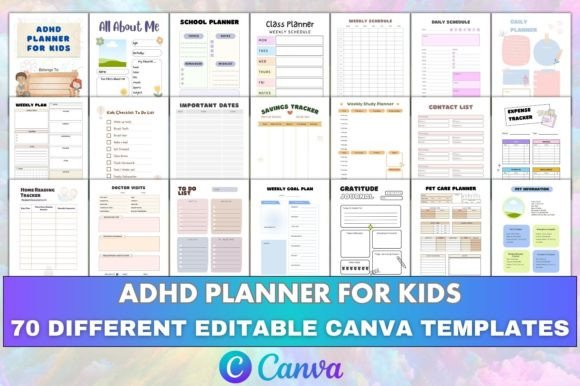
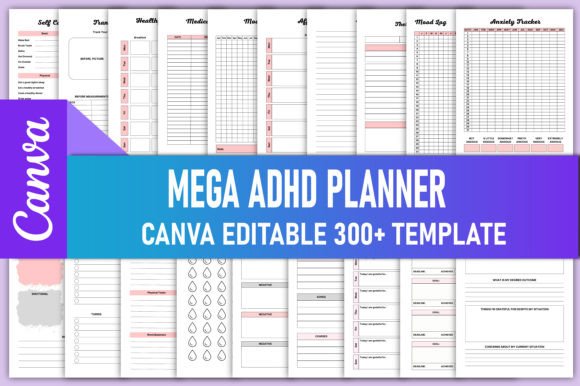
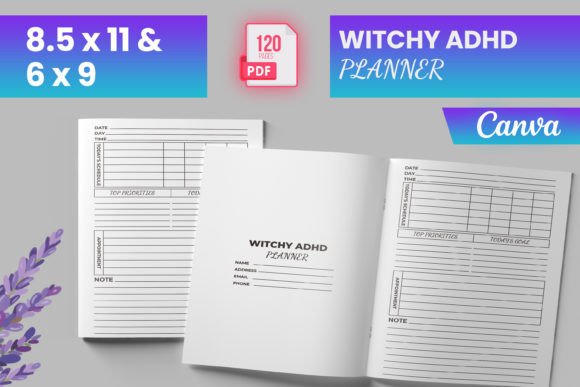
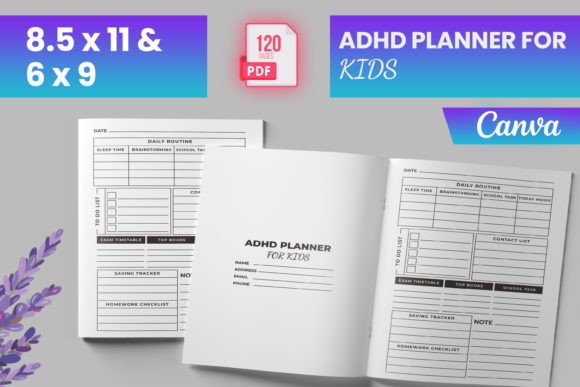
This isn’t your average daily planner. The ADHD Planner for Kids for Canva KDP includes 120 pages packed with tools that address the specific challenges kids with ADHD face: trouble with transitions, emotional regulation, forgetfulness, and difficulty breaking tasks into steps. From a School Task Saving Tracker to an Emotion Tracker and Weekly Chores, every page serves a purpose. The planner comes in a ready‑to‑upload PDF (with bleed) for Amazon KDP, plus editable Canva files, PNGs, and JPGs. That means you can customize it before printing or sell it as your own low‑content book.
Where and When Parents Use It
Picture a typical weekday morning. Your child needs to get dressed, eat breakfast, brush teeth, pack a backpack, and leave on time. For a kid with ADHD, that sequence can feel overwhelming. The ADHD Planner for Kids for Canva KDP includes a Daily Routine page and a My Plan for Today sheet. A parent can sit down with the child the night before and fill in each step visually. Instead of nagging, you point to the chart. The planner turns a chaotic morning into a predictable flow.
Another realistic scenario: after school, homework often becomes a battleground. The Homework Checklist and School Template help break assignments into manageable chunks. The Brain Storming page gives space for ideas that might pop up mid‑math. And the Today in School log encourages the child to reflect on what went well, not just what was hard. These small touches reduce anxiety and build self‑awareness.
Why Educators and Therapists Find It Valuable
Teachers in inclusive classrooms often need resources that support executive functioning without singling a child out. The Classmate Directory and Favorite Quotes pages add a social‑emotional layer. A student can write down a friend’s name or a motivational phrase, turning the planner into a source of comfort as well as organization. Therapists who work with children on emotional regulation appreciate the Emotion Tracker and Wellness Plan. They can use these pages during sessions to help kids identify triggers and practice coping strategies.
The ADHD Planner for Kids for Canva KDP also includes practical life skills like Pet Care Checklist, Doctor Appointment logs, and a Password Tracker (for older kids managing devices). These features make it relevant beyond the classroom—it grows with the child.
For Creators and KDP Publishers: A Ready‑to‑Sell Product
If you’re a seller on Amazon KDP, you know how time‑consuming it is to design an interior that passes Amazon’s bleed requirements and looks professional. This planner comes with a Ready to Upload PDF that has been tested on KDP, plus editable Canva files. You can tweak the colors, add your branding, or remove pages to create a shorter version. The Belongs To page and intro page are already in place.
Consider the niche: “ADHD planner for kids” is a search term with steady demand, especially among parents of children ages 6–12. By offering a product that includes both daily structure and fun elements like Bucket List, Holiday Memories, and Top Books, you appeal to buyers who want more than a sterile schedule. The planner feels personal, not clinical.
One creator I know purchased the template, changed the cover using Canva, and uploaded it as a series of three different themed planners (space, animals, and sports). She sells each for $7.99 on Amazon and averages about 40 sales a month. Because the interior is already formatted with bleed, she avoids the headache of margin errors.
At Home: Building Routines That Stick
The Monthly Water Tracker and Food Intake log are subtle health nudges. A child can earn a sticker for drinking water or eating a vegetable. The Gratitude Journal page shifts focus to positive moments, which is especially helpful after a frustrating day. The 30‑Day Challenge page lets you set a small goal—like making the bed each morning—and track it visually. For kids who need consistency, this repeated structure is golden.
In the Classroom: A Quiet Support Tool
Many teachers use the ADHD Planner for Kids for Canva KDP as a non‑disruptive accommodation. A student can keep it in their desk and refer to the Weekly Schedule (2 pages) instead of asking the teacher what’s next. The Homework Checklist helps them prioritize. The Goal Breakdown page is excellent for long‑term projects—they can see the steps instead of panicking about the whole thing. I’ve seen a 4th‑grade teacher print out the School Task Saving Tracker for the whole class, not just the ADHD students, because everyone benefits from breaking work into chunks.
Therapy Sessions: A Foundation for Skill‑Building
Occupational therapists often work on executive function skills. The planner provides a tangible framework. During a session, a therapist might use the Emotion Tracker to help a child rate feelings before and after a coping exercise. The Weekly Chores and Daily Routine pages become practice for sequencing and time estimation. The Wellness Plan gives the child ownership over their strategies, which boosts self‑esteem.
What to Consider Before Using or Selling This Planner
While the ADHD Planner for Kids for Canva KDP is versatile, it’s important to match it to the child’s age and needs. The 8.5x11 inch size is great for writing, but younger kids might prefer a smaller format. You can easily resize the Canva files. Also, consider whether you want to print it at home (use the JPG/PNG versions) or upload directly to KDP (use the PDF with bleed).
For sellers, remember that Amazon KDP requires that low‑content books meet their quality standards. The tested PDF included here reduces that risk. However, you may want to add a unique cover to avoid duplication. The editable Canva template allows you to change fonts, colors, and even add your own pages. One practical tip: remove the Password Tracker if your target audience is very young children, or add it back for upper elementary.
Another consideration: the planner is comprehensive—120 pages. That may feel overwhelming to some families. But you can pick and choose which pages to print. For example, a parent of a 6‑year‑old might only print the Daily Routine, Emotion Tracker, and Chores List, while a parent of a 10‑year‑old might use the full set. The flexibility is a strength, not a flaw.
The Real Outcome: More Than Organization
What I’ve heard from parents and educators who use this planner is not just that homework gets done or mornings get easier. It’s that the child starts to internalize the structure. After a few weeks, a kid might wake up and check the routine page without being prompted. They might reach for the Emotion Tracker when they feel frustrated. That’s the goal—not perfect scheduling, but building the habits and self‑awareness that help kids thrive.
The ADHD Planner for Kids for Canva KDP works because it treats the child as a whole person. It acknowledges that school, chores, feelings, and fun are all connected. Whether you’re a parent trying to survive the school year, a teacher looking for an unobtrusive tool, or a creator wanting to publish a product that genuinely helps families, this planner gives you a head start. And because it comes in both ready‑to‑upload and editable formats, you can adapt it to fit your exact situation.
For anyone searching for a solution that combines structure with sensitivity, this planner is worth a close look. It’s practical, customizable, and built for real life—not a perfect world.