The 10 Column Ledger Book: A Practical Tool for Organized Financial Tracking
When you need to keep a clear record of money moving in and out, a good ledger book makes all the difference. The 10 column ledger book is one of those understated tools that quietly solves problems for a wide range of people. Whether you run a small business, manage a club’s finances, or just want to understand where your personal income goes each month, having a structured way to log transactions saves time and reduces stress. This article looks at what a 10 column ledger book offers and, more importantly, how different people actually use it in real life.
Why Ten Columns? The Sweet Spot Between Simplicity and Detail
A 10 column layout gives you enough space to break down transactions without overwhelming yourself. Typically, you have a column for the date, a description column, a reference or check number column, and then seven columns for amounts. Some variations use one column for total debit or credit and then nine columns for categories. Either way, you get room to categorize income and expenses in a meaningful way. For example, you might dedicate three columns to different income streams and seven columns to expense categories, or split it evenly between debits and credits with sub-accounts. The flexibility is what makes it so handy. You aren’t locked into a rigid template, yet you still have a consistent structure that makes scanning and auditing simple.
Small Business Owners and Freelancers – Tracking Every Dollar
Imagine you run a freelance graphic design business. You have clients paying via PayPal, bank transfers, and sometimes cash. On the expense side, you pay for software subscriptions, hardware, internet, marketing, and maybe a coworking space. A 10 column ledger book lets you record each transaction and assign it to a category. You might use:
- Date and description for each payment
- Column for client name or job number
- Columns for income categories like 'logo design', 'web design', 'consulting'
- Columns for expense categories like 'software', 'office', 'travel'
- One column for totals or notes
This setup gives you a monthly snapshot: you can quickly see which income stream is strongest and where your biggest costs are. No need for complex accounting software if your business is still small. And when tax time comes, you have clean, organized records that make it easy to report or hand over to your accountant.
Accountants and Bookkeepers – Handling Detailed Journal Entries
Professionals managing multiple clients often prefer a ledger that accommodates double-entry bookkeeping. With a 10 column format, you can set up columns for account name, reference, debit amount, and credit amount, and then additional columns for sub-ledgers like accounts receivable, accounts payable, inventory, and so on. A common layout is to have two columns for the main debit and credit, and eight columns for specific accounts. This allows you to record a transaction once and immediately see how it affects different parts of the business. For instance, a sale on credit would be recorded with a debit to accounts receivable and a credit to sales revenue, using separate columns for each. Over time, you can total each column to verify that debits equal credits — a fundamental check that keeps books accurate.
One accountant I know uses a 10 column ledger book for monthly trial balances. She puts the account name in the left column, then uses pairs of columns for each month’s debit and credit totals. That way she can see trends across five months on a single page. It’s a clever workaround that shows how adaptable this simple book can be.
Students Learning Accounting Principles – Hands-On Practice
If you’re studying accounting or finance, working through problems in a real ledger book reinforces concepts far better than staring at a screen. The 10 column format matches the standard worksheets taught in many introductory courses. You can practice recording journal entries, posting to ledgers, and preparing trial balances. The physical act of writing numbers in columns and checking your totals builds muscle memory for the accounting cycle. Many instructors recommend a 10 column ledger book over a spreadsheet for the first semester because it forces you to think about placement and alignment. Plus, you aren’t distracted by formatting or formula errors — just you and the numbers.
Non-Profit Organizations and Clubs – Giving and Receiving With Clarity
Small non-profits, religious groups, sports clubs, or community associations often operate on tight budgets and rely on volunteers for bookkeeping. A 10 column ledger book can track membership dues, donations, fundraising proceeds, and expenses like hall rental, refreshments, or supplies. For example, a local animal rescue group might use columns for ‘member donations’, ‘public donations’, ‘grant income’, ‘veterinary costs’, ‘food’, ‘supplies’, ‘transport’, and ‘administrative’. At a glance, they can see if donations are covering costs or if a specific expense is rising unexpectedly. The simplicity means a volunteer treasurer can take over without much training, and the clear columns make it easy for the board to review the books.
Personal Finance Enthusiasts – Taking Control of Spending
Not everyone needs a full business ledger, but if you love tracking every dollar you earn and spend, a 10 column book can become your personal finance command center. You could allocate columns for fixed expenses (rent, utilities, insurance), variable expenses (groceries, dining, entertainment), savings categories (emergency fund, vacation, retirement), and income columns for salary, side gigs, and passive income. At the end of each month, you total each column and compare your spending against your budget. The act of writing forces mindfulness, and the visual layout reveals patterns a spreadsheet might hide. Some people use it alongside a bullet journal or planner. The 10 column ledger book is especially useful if you want to go beyond tracking and actually analyze where your money goes over several months.
Considerations Before Choosing a 10 Column Ledger Book
Before you pick up a 10 column ledger book, think about the nature of your tracking needs. Its biggest strength is versatility: you can adapt the columns to most situations without extra setup. It works well for single-entry accounting, basic double-entry, and categorical tracking. The column count is high enough to capture detail but low enough to keep the page readable.
However, there are some limitations. If you need more than nine or ten distinct categories per transaction, you might run out of space. For complex businesses with dozens of accounts, a 10 column book may only work for summaries or subsidiary ledgers, not the general ledger. Also, if you prefer digital automation, a physical book might seem slow — but many people find the manual process helps them catch errors they’d otherwise miss. The 10 column format is also not ideal if you have very few categories; a simpler ledger with fewer columns could be less intimidating.
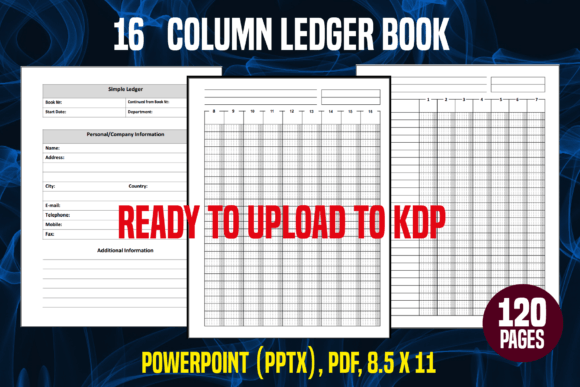
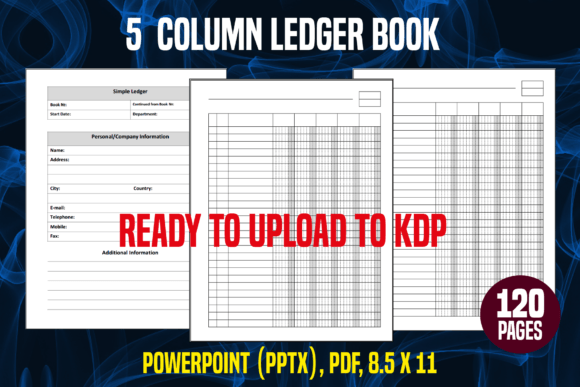
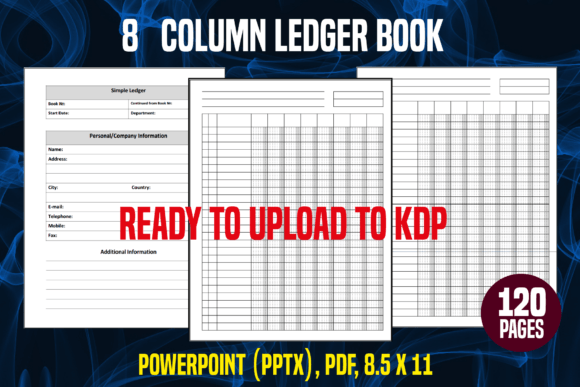
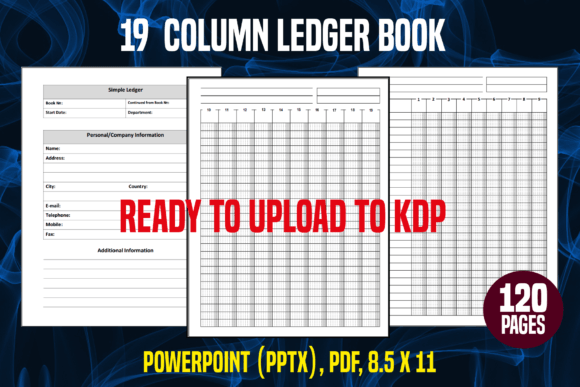
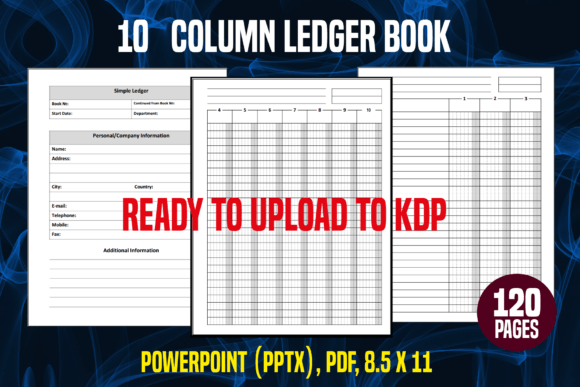
Another practical consideration: the quality of the paper and binding matters if you plan to keep the book for years. Acid-free paper and lay-flat binding make a big difference. The 10 column ledger book that comes as a KDP-ready interior with 120 pages, trim size 8.5x11 inches, and high resolution is perfect for both print-on-demand and personal use. The fact that it includes an editable PowerPoint source file also means you can customize the layout if needed before printing — a real bonus for publishers or anyone who wants to tweak the column headers.
Getting the Most Out of Your Ledger Book
To make a 10 column ledger book truly useful, think about consistency. Set up your column headers at the top of each page and stick to them throughout the book. Use pencil initially if you’re experimenting with column arrangement. Many users keep a reference page at the front where they list what each column represents. Color coding entries with fine-tipped pens can also help, especially when you have multiple income and expense types. Review your totals weekly, not just at month end, so you catch errors early. And don’t forget to date every entry properly — it sounds obvious, but in the rush of daily recording, dates often get missed.
One small business owner I spoke with keeps her 10 column ledger book next to her computer and enters receipts as they come in. She uses the far-right column for a running balance, which gives her a constant check on her cash position. Once a month, she transfers the summary to a spreadsheet for reporting, but the ledger remains her source of truth. That hybrid approach works well for many people who want the tangibility of paper plus the analysis power of digital tools.
Why This Specific Resource Stands Out
There are plenty of ledger books on the market, but having one that is tested for KDP and comes with an editable PPTX source file adds tremendous value, especially if you’re creating a product to sell or need to adjust the layout. The 120-page count gives you a full year of weekly or monthly tracking without being too thick to handle. The 8.5x11 trim size is standard and fits nicely in a filing cabinet or shelf. High-resolution interior ensures that fine lines and small print remain crisp, which is critical when you’re dealing with numbers. The fact that the PDF file is ready for upload means you can print it yourself or distribute it digitally without any extra design work.
Whether you are a freelancer wanting to get a handle on quarterly taxes, a treasurer for a local charity, or someone who simply loves keeping immaculate personal accounts, a 10 column ledger book can be your companion for months of organized record-keeping. Its balance of simplicity and depth lets you focus on the story behind the numbers, not just the entries.